
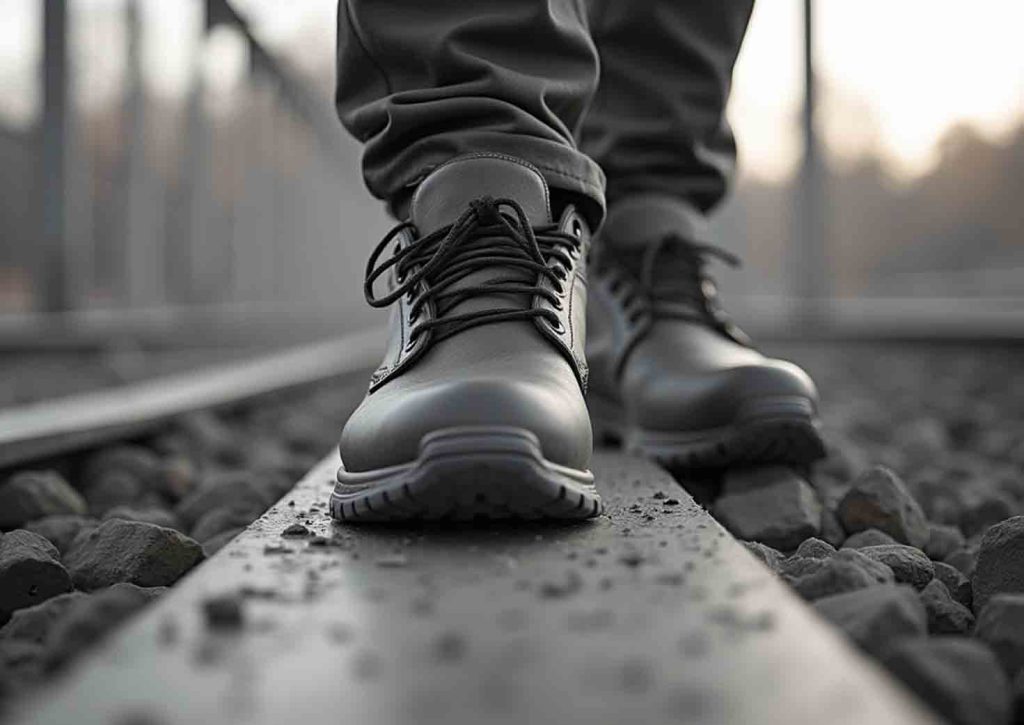
In any industrial setting — be it a construction site, a manufacturing floor, or a chemical processing unit — your feet carry you through every shift. The right pair of safety footwear can mean the difference between a safe day at work and a serious injury. Yet many workers and procurement managers end up choosing footwear based on price alone, overlooking the features that actually matter. This guide walks you through everything you need to consider before buying safety shoes.
Start with Your Workplace Hazards
Every workplace is different. A construction site has different risks compared to a pharmaceutical unit or a logistics warehouse. Before you look at any footwear, spend a few minutes thinking about what your workers are actually exposed to.
- Do heavy objects fall or roll? You need reinforced toe caps.
- Are sharp materials like nails or metal scraps present? Puncture-resistant midsoles are essential.
- Is there electrical equipment nearby? Look for insulated or anti-static options.
- Are there chemicals, oils, or solvents on the floor? Chemical-resistant materials matter.
Getting this right from the start saves time and money — and more importantly, protects your workforce.
Understanding Toe Cap Types
The toe cap is the most discussed feature of any safety shoe — and for good reason. It is your primary defence against impact and compression injuries.
Steel Toe Caps
Steel toe caps offer the highest level of impact protection and are the standard choice for heavy industries — construction, steel fabrication, mining, and warehousing. They are robust and cost-effective, though slightly heavier than alternatives.
Composite Toe Caps
Made from non-metallic materials, composite toe caps are lighter and do not conduct heat or electricity. This makes them the preferred choice for electricians, workers in cold environments, and facilities with metal detectors at entry points.
Alloy Toe Caps
Alloy toe caps strike a middle ground — they are lighter than steel but offer comparable levels of protection. Workers who are on their feet for long shifts and need a lighter shoe without compromising safety often prefer this option.
Slip Resistance: Non-Negotiable in Most Environments
Slips and falls account for a significant share of workplace injuries in India. Wet floors, oil spills, loose sand, and uneven terrain are part of daily reality in most industrial sites. A shoe with a well-designed anti-slip sole — rated SRA, SRB, or the highest level SRC — dramatically reduces this risk.
Do not treat slip resistance as an optional feature. It is essential for almost every industrial application.
Puncture Resistance and Sole Construction
If workers are walking on surfaces with nails, wire, broken glass, or other sharp debris, the sole of the shoe becomes as important as the toe cap. Puncture-resistant midsoles — typically made from steel plate or composite materials — protect the underfoot from penetration injuries.
When evaluating a shoe, check whether the midsole protection is full-length or partial. Full-length coverage provides better protection.
Comfort Is Not a Luxury — It Is a Safety Feature
A worker who is uncomfortable in their footwear will find ways to avoid wearing it — or worse, will be distracted by discomfort during critical tasks. When evaluating safety shoes for comfort:
- Ensure adequate toe room — the foot should not feel cramped after a few hours of wear.
- Look for cushioned insoles, especially for workers who stand or walk for most of their shift.
- Breathable lining materials like Cambrelle reduce moisture and improve hygiene.
- Lightweight construction reduces fatigue in roles that require extended movement.
- Ankle support matters on uneven terrain or where workers carry heavy loads.
Material Quality and Durability
The upper material of a safety shoe determines how long it will last and how much protection it offers beyond the toe cap.
- Full-grain leather is the most durable option — it resists abrasion and maintains structure over time. It is the right choice for heavy-duty applications.
- Buff leather offers good durability at a more accessible price point.
- Synthetic fabrics and knitted uppers are lighter and more breathable, suitable for lighter industrial or logistics environments.
PU (polyurethane) soles offer excellent shock absorption and durability for most applications. Double-density PU soles provide added comfort for workers who are on their feet all day.
Application-Specific Features to Look For
Depending on the work environment, certain additional features move from desirable to essential:
- Waterproofing — for outdoor construction, agriculture, or any environment with water or liquid exposure.
- Heat-resistant soles — for welding, foundry, and metal fabrication environments.
- Electrical hazard (EH) rating — for electrical trades and maintenance roles.
- Anti-static (AS) properties — for electronics manufacturing, pharmaceutical, and clean-room environments.
- Chemical resistance — for laboratories, chemical plants, and processing facilities.
Always Verify Certifications
A safety shoe is only as trustworthy as the certification behind it. In India, the relevant standard is IS 15298 Part 2, issued by the Bureau of Indian Standards (BIS). The ISI mark on a pair of safety shoes indicates it has been tested to meet defined performance benchmarks.
For procurement managers sourcing for international operations or multinational facilities, CE certification under EN ISO 20345 (Europe) and ASTM F2413 (USA) are the relevant references. Always request certification documentation from your supplier before placing a bulk order.
On Price: Buy for Value, Not Just for Cost
The lowest-priced safety shoe is rarely the best investment. Cheap footwear that fails after two months costs more in the long run than a well-made pair that lasts twelve. More importantly, substandard footwear puts your workforce at risk — and the cost of a workplace injury far exceeds the saving on a cheaper pair of shoes.
Evaluate safety shoes on cost per wear, not just upfront price. A durable, certified shoe from a reputable manufacturer — such as Indcare by Mittal Safety Works — is an investment that pays for itself in reduced injury rates and lower replacement frequency.
Final Thoughts
The right safety shoe protects your workforce, supports compliance with occupational health regulations, and contributes to a genuine culture of safety. By taking the time to match footwear to specific workplace hazards — and verifying certifications before purchase — procurement managers and safety officers can make decisions that protect both people and the organisation.
At Mittal Safety Works, our Indcare range is engineered for India’s most demanding industrial environments — from steel-toe PU safety shoes for construction and manufacturing to specialised PVC gumboots for chemical and wet environments. Contact us to discuss your requirements.